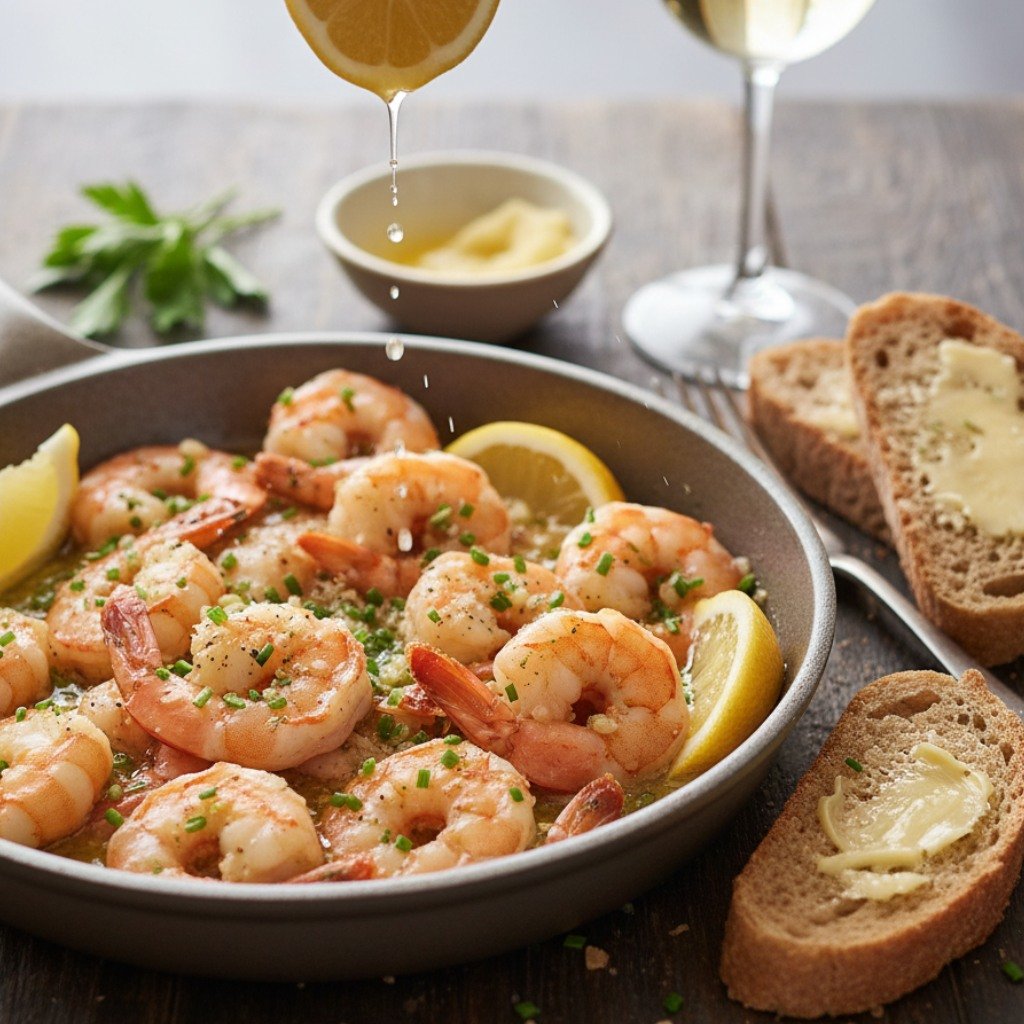
Dublin Bay Prawns with Garlic Butter: Irish Seafood Luxury
If you’ve ever wandered through Dublin’s seafood markets or dined at a cozy Irish coastal restaurant, you’ve likely encountered Dublin Bay prawns – those beautiful, sweet langoustines that are one of Ireland’s finest seafood treasures. Today, I’m sharing how to prepare them simply and perfectly, letting their natural sweetness shine through.
My introduction to Dublin Bay prawns came at a tiny restaurant overlooking the harbor in Howth, just north of Dublin. The chef brought out a sizzling cast-iron pan filled with prawns bathed in garlic butter, their shells glistening orange-pink in the evening light. One bite and I was hooked – the sweet, delicate meat, the heady aroma of garlic and butter, the hint of lemon. It was perfection on a plate.
Despite their name, Dublin Bay prawns aren’t actually prawns at all – they’re langoustines (also called Norway lobsters or scampi). They’re smaller than lobster but share that same sweet, succulent flavor. And while they might seem fancy, preparing them at home is surprisingly simple. The key is not to overcomplicate things – these beauties deserve to be the star of the show.
What Are Dublin Bay Prawns?
Dublin Bay prawns (Nephrops norvegicus) are small lobster-like crustaceans that live in the muddy seabeds around Ireland’s coast. They got their name because they were landed in large quantities in Dublin Bay, though they’re found all around Irish waters. The fishing boats would often sort their catch in Dublin Bay, tossing the langoustines back – until chefs realized what a delicacy they were!
Today, they’re highly prized in Irish cuisine. The meat is incredibly sweet and delicate, with a texture somewhere between lobster and large shrimp. When cooked simply with butter, garlic, and lemon, they’re absolutely divine. This is seafood at its finest – fresh, simple, and utterly delicious.
Ingredients
- 20-24 large Dublin Bay prawns (langoustines), fresh or thawed
- 6 tablespoons (85g) Irish butter
- 4 cloves garlic, minced
- 2 tablespoons fresh parsley, finely chopped
- 1 lemon, juice and zest
- ¼ teaspoon red pepper flakes (optional)
- Salt and freshly ground black pepper to taste
- Lemon wedges for serving
- Crusty bread for serving
Instructions
Prepare the Prawns: Using kitchen scissors, cut along the underside of each prawn tail from head to tail. Gently pull apart to butterfly them. Remove the dark vein if present. Pat dry with paper towels and season lightly with salt and pepper.
Heat the Pan: Place a large, heavy-bottomed skillet or cast-iron pan over medium-high heat. Add 2 tablespoons of butter and let it melt until foaming.
Cook the Prawns: Working in batches if necessary, place the prawns cut-side down in the hot butter. Cook for 2-3 minutes until the shells turn bright orange-pink and the meat starts to turn opaque.
Flip and Finish: Turn the prawns over and cook for another 2-3 minutes. Add the remaining butter, minced garlic, and red pepper flakes if using. Tilt the pan and baste the prawns with the garlic butter for 1-2 minutes until cooked through. The meat should be white and opaque, not translucent.
Add Brightness: Remove from heat and immediately add the lemon juice, lemon zest, and chopped parsley. Toss everything together to coat the prawns in the buttery sauce.
Serve: Transfer the prawns to a warm serving platter, pour all that gorgeous garlic butter over top, and garnish with extra parsley and lemon wedges. Serve immediately with crusty bread for mopping up the sauce.
Sweet, succulent Dublin Bay prawns (langoustines) cooked in aromatic garlic butter – a luxurious taste of Irish coastal cuisine. This simple preparation lets the prawns' natural sweetness shine through, creating an elegant dish that's surprisingly easy to make at home. Perfect as an impressive appetizer or romantic dinner for two.
Pro Tips for Perfect Dublin Bay Prawns
Buy Fresh: Fresh langoustines should smell like the sea, never fishy. The shells should be firm and glossy. If you see any black discoloration, they’re past their prime.
Don’t Overcook: This is crucial! Langoustines cook in minutes. Overcooked langoustines become rubbery and lose their delicate sweetness. Watch them carefully.
Split Them Properly: Use kitchen scissors to cut along the underside of the tail. This makes them easier to eat and allows the garlic butter to penetrate the meat.
Keep It Simple: These are premium seafood. Don’t mask their flavor with heavy sauces. Butter, garlic, and lemon is all you need.
Serve with Bread: You’ll want something to mop up that incredible garlic butter. Crusty white bread or Irish brown bread is essential.
Use Langoustine Heads: Don’t throw away the heads! They contain delicious coral and can be used to make an incredible seafood stock or bisque.
Frozen Works Too: If you can’t get fresh, good quality frozen langoustines are fine. Thaw them slowly in the refrigerator overnight.
Preparation Methods
Pan-Fried (Featured Recipe): Quick, simple, and creates the most incredible garlic butter sauce.
Grilled: Brush with garlic butter and grill for 3-4 minutes per side. Perfect for summer barbecues.
Poached: Gently poach in salted water for 3-4 minutes, then serve with melted butter and lemon.
Roasted: Roast in a hot oven (425°F/220°C) with butter and herbs for 8-10 minutes.
In Pasta: Toss the cooked tail meat with linguine, garlic, white wine, and parsley for a luxurious pasta dish.
Traditional Irish Accompaniments
Crusty Bread: Essential for soaking up the garlic butter. Irish brown bread or a good crusty white loaf works perfectly.
Simple Side Salad: A crisp green salad with a light vinaigrette cuts through the richness beautifully.
New Potatoes: Buttered baby potatoes are a classic Irish pairing.
Lemon Wedges: Fresh lemon is non-negotiable. The acidity balances the rich butter perfectly.
White Wine: A chilled Irish white wine or a crisp Sauvignon Blanc complements the sweet shellfish.
Drawn Butter: Some people prefer just melted butter with a squeeze of lemon for dipping.
Serving Suggestions
Appetizer for Four: Serve 4-5 prawns per person as an elegant starter.
Main Course: Allow 8-10 prawns per person for a main course, served with crusty bread and salad.
Seafood Platter: Include as part of a larger seafood spread with oysters, mussels, and crab claws.
Romantic Dinner: Serve for two with a bottle of chilled white wine and candlelight – utterly romantic!
BBQ Star: Cook on the grill at your next outdoor gathering for an impressive but easy centerpiece.
Wine and Beverage Pairing
White Wine: Crisp, dry whites work best. Try Chablis, Albariño, or a good Sauvignon Blanc.
Champagne: The bubbles and acidity cut through the butter beautifully. Perfect for special occasions.
Irish Craft Beer: A light, crisp lager or a wheat beer won’t overpower the delicate prawns.
Guinness: Surprisingly good! The slightly bitter stout contrasts nicely with the sweet shellfish.
Non-Alcoholic: Sparkling water with lemon or a crisp apple juice works well.
How to Eat Dublin Bay Prawns
Use Your Hands: This is messy, fun eating! Have plenty of napkins ready and finger bowls with lemon water.
The Technique:
- Twist off the head (save it for stock!)
- Peel away the shell from the tail
- Pull out the meat in one piece
- Dip in the garlic butter
- Enjoy!
The Best Part: Many Irish people love sucking the juices from the head. It’s where much of the flavor resides!
Tools: Provide small forks or seafood picks to help extract all the meat from the shell.
Making It a Complete Meal
Starter: Begin with Irish oysters or a light seafood chowder.
Main Course: The prawns with crusty bread, a simple green salad, and buttered new potatoes.
Dessert: Keep it light after the rich seafood – perhaps Irish strawberries with cream or a lemon sorbet.
The Experience: This is food meant to be lingered over, enjoyed with good company and good conversation.
Storage and Preparation
Fresh Langoustines: Use within 24 hours of purchase. Store in the coldest part of your refrigerator, covered with a damp cloth.
Frozen: Can be frozen for up to 3 months. Freeze in their shells in airtight containers or bags.
Thawing: Thaw slowly in the refrigerator overnight. Never use hot water or the microwave – it compromises the texture.
Prepping Ahead: You can split and devein the prawns up to 2 hours before cooking. Cover and refrigerate until ready to cook.
Leftover Meat: Pick any leftover meat and use in seafood pasta, risotto, or salads within 24 hours.
Common Mistakes to Avoid
Overcooking: The most common error. Langoustines cook very quickly – they’re done when the meat turns opaque and white.
Too Much Heat: Medium-high heat is plenty. Too hot and the butter burns before the prawns cook through.
Skipping the Deveining: While not always necessary, removing the dark vein down the back improves both appearance and texture.
Wrong Pan: Use a large, heavy pan that retains heat well. Cast iron or stainless steel is ideal.
Not Enough Butter: This isn’t the time to be shy! The buttery sauce is half the pleasure.
Regional Variations
West Coast Style: Some Irish coastal restaurants add a splash of Irish whiskey to the garlic butter for extra depth.
Mediterranean Influence: Add cherry tomatoes, white wine, and fresh basil for an Italian-Irish fusion.
Spicy Version: Add red pepper flakes or a dash of cayenne to the garlic butter for heat.
Herbed: Fresh tarragon, chives, or dill can be added to the butter for variety.
Creamy: Some chefs finish with a splash of cream for a richer sauce.
The History of Dublin Bay Prawns
These langoustines have been caught in Irish waters for centuries, but they weren’t always valued as they are today. Fishermen often considered them a nuisance that got tangled in their nets while fishing for more “valuable” catch.
The tide turned in the mid-20th century when European chefs began recognizing langoustines as a delicacy. Irish restaurants followed suit, and Dublin Bay prawns became synonymous with fine Irish seafood dining.
Today, Ireland exports Dublin Bay prawns all over Europe, but the freshest and best are enjoyed right here at home, preferably within sight of the waters they came from. Many Irish fishing villages hold seafood festivals where you can enjoy them fresh from the boat – it doesn’t get better than that!
Sustainability Note
Dublin Bay prawns from Irish waters are generally considered a sustainable choice when caught using traditional creeling methods. These pots are selective and cause minimal damage to the seabed. Look for prawns from certified sustainable fisheries when shopping.
Support local Irish fishermen when possible – their smaller-scale operations often use the most sustainable methods, and you’re getting the freshest possible product.
Why This Recipe Works
This preparation method is all about simplicity and quality. By cooking the prawns quickly in butter with just garlic and lemon, you’re allowing their natural sweetness to shine. The garlic adds depth without overpowering, the lemon provides brightness and balance, and the butter creates a luxurious sauce that begs to be soaked up with bread.
The key is using the freshest prawns you can find and not overcooking them. Follow those two principles, and you’ll create restaurant-quality seafood in your own kitchen.
A Taste of Irish Coastal Life
Dublin Bay prawns represent the best of Irish seafood – simple, fresh, and absolutely delicious. When you prepare them at home, you’re connecting with Ireland’s rich maritime heritage and the generations of fishermen who’ve worked these waters.
Whether you’re celebrating a special occasion or simply treating yourself to something luxurious, these prawns deliver. The sweet, succulent meat, the aromatic garlic butter, the satisfaction of cracking shells and savoring every morsel – it’s an experience that goes beyond just eating. It’s about slowing down, enjoying the moment, and appreciating quality ingredients prepared with care.
So light those candles, pour that wine, and get ready to enjoy one of Ireland’s finest seafood treasures. Your own little taste of Dublin Bay awaits!
Sláinte!
Made this Dublin Bay prawns recipe? Share your photos on Instagram and tag @HomemadeIrishRecipes! Let me know in the comments if you prefer them grilled or pan-fried. And if you loved this seafood recipe, don’t miss our Irish Fish and Chips, Seafood Chowder, and Pan-Fried Mackerel – all celebrating Ireland’s incredible coastal bounty!